Glaucoma: The Silent Thief of Sight — What Everyone Should Know
Your eyesight is precious, but did you know that some serious eye diseases can develop without pain or noticeable symptoms?
One such condition is glaucoma, a leading cause of irreversible blindness worldwide. Often called the silent thief of sight, glaucoma can gradually damage your vision without warning.
At Success Vision Eye Care Ltd., we believe that awareness, early detection, and proper eye care are essential to protecting your vision.
In this article, we'll explain what glaucoma is, who is at risk, the warning signs to watch for, and how regular eye examinations can help protect your eyesight.
What Is Glaucoma?
Glaucoma refers to a group of eye diseases that damage the optic nerve, which carries visual information from your eyes to your brain.
This damage is often associated with increased pressure inside the eye, known as intraocular pressure (IOP). However, glaucoma can also occur in people whose eye pressure falls within the normal range.
The most common form, primary open-angle glaucoma, typically develops slowly and may cause no noticeable symptoms until significant vision loss has occurred.
Unfortunately, vision already lost through glaucoma generally cannot be restored. However, early diagnosis and appropriate treatment can help prevent or slow further damage.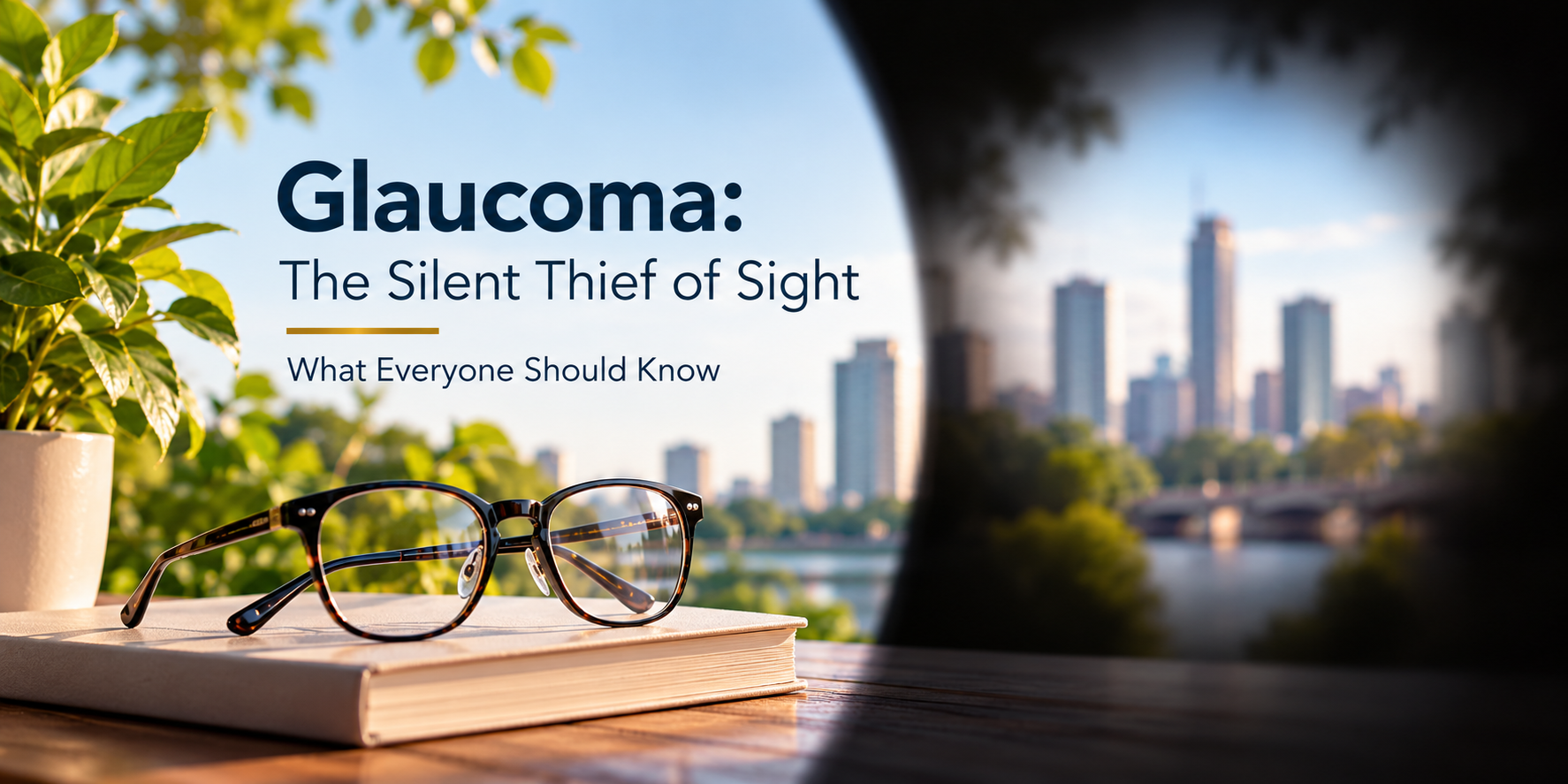
Why Is Glaucoma Called the Silent Thief of Sight?
Unlike many other eye conditions, glaucoma often develops without obvious warning signs.
In its early stages, you may:
- Experience no eye pain or discomfort.
- Have seemingly normal central vision.
- Continue reading and performing daily activities normally.
- Be unaware that your peripheral vision is gradually deteriorating.
By the time noticeable vision changes occur, substantial optic nerve damage may already have happened.
This is why regular comprehensive eye examinations are so important, even when your eyesight seems perfectly normal.
Who Is at Risk of Developing Glaucoma?
Although anyone can develop glaucoma, certain factors increase the likelihood.
1. Family History
If your parents, siblings, or other close relatives have glaucoma, your risk may be higher.
Inform your eye care professional about any family history of the condition.
2. Age
The risk of glaucoma generally increases with age, particularly after 40.
However, glaucoma can affect younger adults and, in rare cases, children.
3. African Ancestry
People of African ancestry have an increased risk of developing primary open-angle glaucoma, often at a younger age.
This makes glaucoma awareness and appropriate screening especially important in Nigeria and other African communities.
4. High Eye Pressure
Elevated intraocular pressure is an important risk factor for glaucoma.
However, not everyone with high eye pressure develops glaucoma, and some people develop glaucoma despite having normal eye pressure.
5. Other Medical and Eye Conditions
Additional risk factors may include:
- Significant short-sightedness
- Previous eye injuries
- Prolonged corticosteroid use
- Certain medical conditions, including diabetes
Your eye care professional can assess your individual risk and recommend an appropriate examination schedule.
What Are the Symptoms of Glaucoma?
Symptoms depend on the type and stage of glaucoma.
Open-Angle Glaucoma
This common form usually develops gradually.
As the condition progresses, symptoms may include:
- Loss of peripheral or side vision
- Difficulty noticing objects outside your central field of view
- Tunnel vision in advanced stages
Acute Angle-Closure Glaucoma
This less common form can develop suddenly and is a medical emergency.
Warning signs include:
- Severe eye pain
- Sudden blurred vision
- Redness of the eye
- Headache
- Nausea or vomiting
- Seeing halos around lights
Important: If you experience sudden severe eye pain or vision loss, seek emergency medical attention immediately. Do not wait for a routine appointment.
How Is Glaucoma Diagnosed?
A comprehensive glaucoma assessment may involve several tests.
Eye Pressure Measurement (Tonometry)
Measures the pressure inside your eyes.
Optic Nerve Examination
Allows your eye care professional to examine the optic nerve for signs of damage.
Visual Field Testing
Checks for areas of vision loss, including changes in peripheral vision.
Optical Coherence Tomography (OCT)
Produces detailed images that help assess the optic nerve and retinal nerve fibre layer.
Gonioscopy
Examines the drainage angle of the eye to help identify the type of glaucoma.
Not every patient needs every test. Your eye care professional will determine which assessments are appropriate.
Can Glaucoma Be Treated?
Yes. Although glaucoma-related vision loss is generally permanent, treatment can help slow or prevent further damage.
Treatment options may include:
- Prescription eye drops: Medications that lower pressure inside the eye.
- Laser treatment: Procedures that improve fluid drainage or help manage eye pressure.
- Surgery: Procedures that create or improve drainage pathways when necessary.
The most suitable treatment depends on the type and severity of glaucoma, eye pressure, and other individual factors.
Patients diagnosed with glaucoma should follow their prescribed treatment and attend recommended follow-up appointments, even when they feel well.
How Can You Protect Yourself Against Glaucoma?
There is no guaranteed way to prevent every form of glaucoma, but early detection and appropriate management can significantly reduce the risk of severe vision loss.
Here are some practical steps:
- Attend comprehensive eye examinations: Especially if you are over 40 or have additional risk factors.
- Know your family history: Tell your eye care professional if glaucoma runs in your family.
- Avoid self-medication: Particularly with steroid-containing eye drops.
- Follow prescribed treatment: Never stop glaucoma medication without consulting your treating clinician.
- Manage your general health: Maintain healthy habits and manage existing medical conditions with professional guidance.
Remember that glaucoma cannot be reliably diagnosed or excluded through a simple reading-glasses test or eye-pressure measurement alone.
Why Early Detection Matters
Imagine gradually losing your peripheral vision without realising it.
Everyday activities such as driving, walking through busy environments, and recognising objects around you could become increasingly difficult.
This is the reality many people living with advanced glaucoma face.
The encouraging news is that detecting glaucoma early gives patients a much better opportunity to preserve useful vision through appropriate treatment.
You do not have to wait for symptoms before taking action.
Your Vision Matters to Us
At Success Vision Eye Care Ltd., we are passionate about promoting eye health awareness and encouraging individuals and families to take proactive steps toward protecting their sight.
Whether you have a family history of glaucoma, have noticed changes in your vision, or simply want to understand your eye health better, professional assessment is an important first step.
Book an Eye Examination Today
Protecting your vision starts with awareness and timely care.
Contact Success Vision Eye Care Ltd. to enquire about an eye examination and the appropriate assessment for your needs.
Success Vision Eye Care Ltd.
Healthy Eyes. Healthy Life.
Medical Disclaimer: This article is intended for general educational purposes and does not replace professional medical advice, diagnosis, or treatment. Seek urgent medical attention for sudden vision loss, severe eye pain, or other emergency symptoms.
